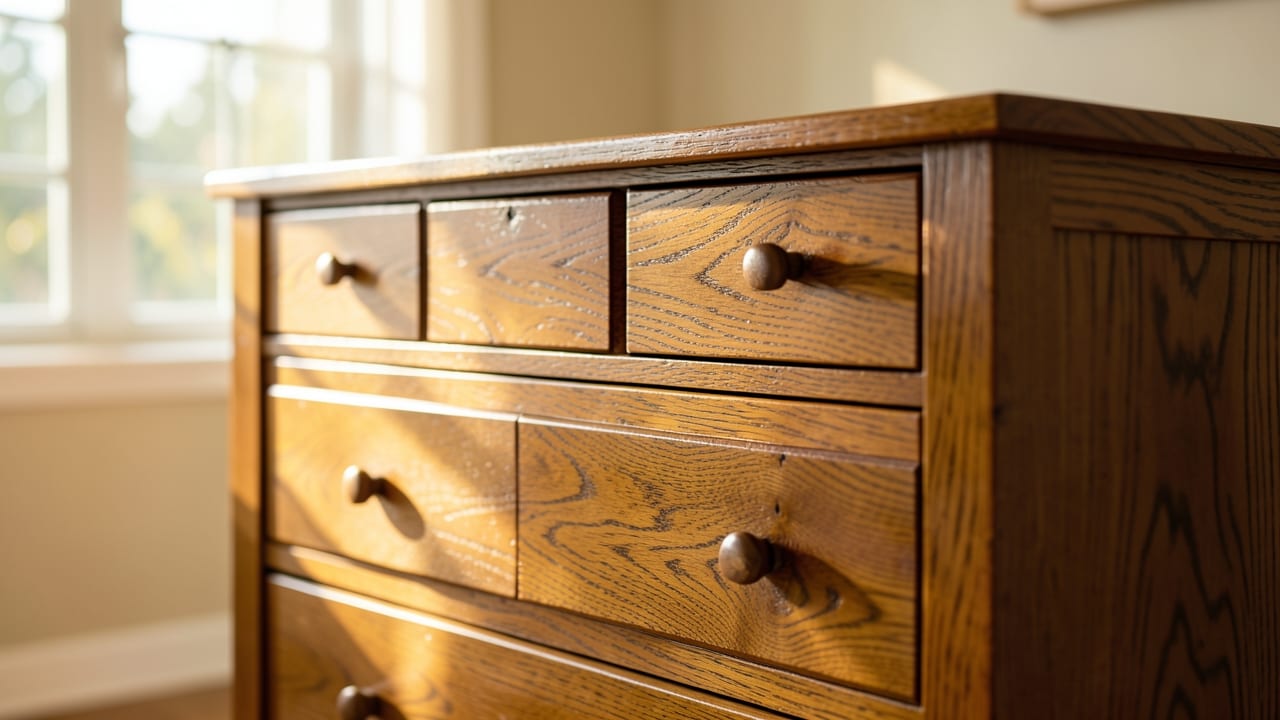
Wood Furniture Mold Remediation
Professional removal and treatment of mold from wood furniture to restore safety and appearance.
Mold on wood furniture in Fillmore, CA, requires specialized remediation to prevent damage and health risks. Unlike surface cleaning, this process addresses embedded spores, uses containment to stop spread, and restores furniture while fixing moisture sources to prevent recurrence.
Proper techniques preserve the piece’s integrity and ensure safe, effective treatment tailored to porous wood surfaces.
We also handle Sunroom Mold Remediation and Pantry Mold Treatment for Fillmore properties.
When wood furniture mold needs professional help
Mold on wood furniture often starts small but can worsen if ignored. A patch larger than a few square inches, recurring growth after cleaning, or a musty smell with no visible mold are clear signs the issue requires professional attention.
In California, mold covering 25+ contiguous square feet typically exceeds DIY limits, as state regulations treat this as work needing a licensed contractor.
Hidden moisture sources—like leaks behind walls or poor ventilation—are the most common reason mold returns. A professional inspection identifies these issues, ensuring the root cause is addressed alongside the visible damage. Skipping this step often leads to regrowth within months.
Signs Your Wood Furniture Needs Mold Remediation
- Mold covers more than a small, isolated patch (e.g., a few square inches or less is often manageable; larger areas need professional tools).
- The mold keeps returning to the same spot after cleaning, suggesting an untreated moisture source.
- A musty odor is present with no visible mold, indicating hidden growth in walls, under flooring, or inside ductwork.
- The furniture feels damp to the touch or has visible water stains, signaling ongoing moisture exposure.
What affects pricing and timeline for wood furniture mold remediation
Pricing for wood furniture mold remediation in Fillmore varies based on the scope, materials involved, and whether refinishing or reupholstering is needed. Unlike flat-rate services, this work is typically quoted per project after an inspection, as factors like furniture size, mold severity, and moisture source location all influence costs.
Timelines depend on containment setup, drying requirements, and clearance testing. Simple cases may take a few hours, while extensive mold or hidden moisture sources can require multiple days. Structural drying with industrial dehumidifiers is critical—rushing this step risks regrowth.
| Factor | Impact on Cost/Time |
|---|---|
| Furniture size and material type | Larger or intricate pieces (e.g., heirloom cabinets) increase labor and material costs. |
| Mold severity and spread | Deeply embedded spores or multiple affected items raise the scope of work. |
| Moisture source location | Hidden leaks or poor ventilation require additional inspection and repairs. |
| Refinishing/reupholstering needs | Specialty work (e.g., restoring stained wood) adds to the total price. |
| Containment and testing requirements | Full containment and third-party clearance testing extend timelines but ensure thoroughness. |
Why containment and testing matter
Containment—using plastic sheeting and negative-air machines—prevents mold spores from spreading during removal. Without it, spores can drift into HVAC systems or unaffected rooms, turning a small job into a larger one.
California’s Contractors State License Board (CSLB) requires licensed contractors for jobs over $500, but proper containment is a trade standard regardless of size.
Clearance testing by an independent lab confirms mold levels are back to normal after remediation. Skipping this step leaves no proof the job was fully resolved, and some methods (like non-HEPA filtration) can even recirculate spores, undoing the work.
How wood furniture mold remediation works
This process combines cleaning, containment, and moisture control to safely remove mold and restore furniture.
- 1Containment Setup
Plastic sheeting and negative-air machines seal the work area to trap spores. This prevents cross-contamination into other rooms or HVAC systems during removal.
- 2Mold Removal and Treatment
Furniture is cleaned with antimicrobial solutions to kill spores and remove stains. Porous wood may require sanding or refinishing to eliminate embedded mold, while non-porous surfaces are scrubbed and treated.
- 3Structural Drying
Industrial dehumidifiers and air movers reduce moisture in the affected area to normal levels. Wood furniture must dry completely to prevent regrowth, often taking 24–72 hours depending on humidity.
- 4HEPA Filtration and Cleanup
Surfaces are vacuumed with HEPA-filtered equipment, and air scrubbers run continuously to capture airborne spores. Standard vacuums or non-HEPA filters can recirculate mold, so this step is critical.
- 5Clearance Testing
An independent lab tests air or surfaces post-remediation to confirm mold levels are back to normal. Results guide final steps, such as refinishing or sealing the furniture.
Frequently asked questions
Can I clean mold off wood furniture myself, or should I hire a professional?
Small, isolated patches (a few square inches) on non-porous surfaces may be cleaned with vinegar or commercial mold killers, but porous wood or larger areas need professional treatment. Professionals use containment, HEPA filtration, and moisture control to prevent recurrence, which DIY methods often miss.
Will my wood furniture look the same after mold remediation?
Surface-level mold often leaves stains or discoloration, so refinishing or reupholstering may be needed to restore appearance. Deeply embedded mold can require sanding or sealing, but the goal is to match the original finish as closely as possible while ensuring the piece is safe to use.
How do I know if the mold is gone after remediation?
Independent clearance testing by a third-party lab is the only way to confirm mold levels are back to normal. Visual inspection alone isn’t enough, as spores can linger in hidden areas or return if moisture sources aren’t fixed.
What should I do to prevent mold from coming back on my wood furniture?
Fix any leaks, improve ventilation in damp areas (like basements or closets), and use dehumidifiers to keep humidity below 60%. Regularly inspect furniture for early signs of mold, and address musty smells promptly, as they often indicate hidden growth.
Where Fillmore sits, and what the Census lists nearby
Fillmore sits in California, and the closest places listed in the U.S. Census Gazetteer are Piru (6.4 miles east), Moorpark (8.1 miles south), Santa Paula (9 miles west), Somis (10.3 miles southwest). Within 25 miles of Fillmore the same source lists 32 distinct incorporated places and census-designated places.
Those figures matter for wood furniture mold remediation because they are straight-line distances between Census coordinate points: road mileage between Fillmore and Piru runs longer than the 6.4 miles shown, which is why quotes for the same job differ between towns that look close together on a map.
Source: U.S. Census Bureau Gazetteer.
See Lake Sherwood, CA for more, or find out about our full crew's Fillmore services step by step for our complete lineup.
Ready to get started?
Talk to a local mold remediation pro in Fillmore — get a written quote.
Other Mold Remediation Services in Fillmore

Sunroom Mold Remediation in Fillmore, CA
Professional removal and treatment of mold in sunrooms to restore a safe, clean space.
Learn More
Pantry Mold Treatment in Fillmore, CA
Professional assessment and removal of mold in pantry areas to restore a safe, clean space.
Learn More
Hallway Mold Remediation in Fillmore, CA
Professional removal and treatment of mold growth in residential hallways.
Learn More
Condo Mold Remediation in Fillmore, CA
Professional removal and treatment of mold in condominiums to restore safe, healthy living spaces.
Learn More
Retail Store Mold Remediation in Fillmore, CA
Professional mold removal and remediation for retail stores to restore safe, clean environments.
Learn More
New Construction Mold Remediation in Fillmore, CA
Professional mold removal and prevention in newly built homes to ensure safe, clean living spaces.
Learn MoreCommon Questions About Mold Remediation in Fillmore
Everything you need to know about mold remediation services in Fillmore
How much does Wood Furniture Mold Remediation typically cost in Fillmore, CA?
Does coastal humidity around Fillmore, CA change how mold risk is assessed?
How does mold remediation actually prevent the problem from coming back?
Can mold growing inside HVAC ductwork spread to the rest of a home?
Does mold mean the same thing as mildew?
Does homeowners insurance typically cover mold remediation?
Need Mold Remediation in Fillmore?
Connect with local providers in Fillmore for a detailed quote.
⏰ We answer your call • Serving all of Fillmore and surrounding areas