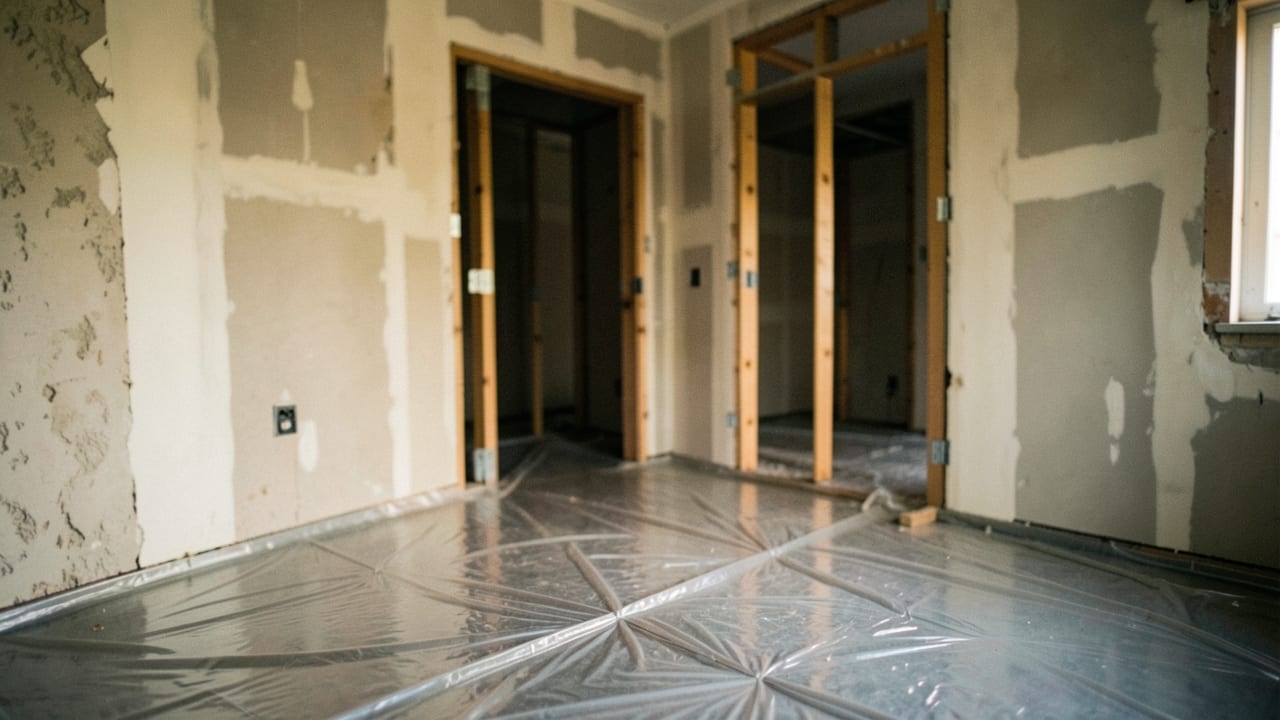
New Construction Mold Remediation
Professional mold removal and prevention in newly built homes to ensure safe, clean living spaces.
New construction mold remediation in Fillmore, CA addresses mold growth in recently built homes caused by trapped moisture during building. This service includes identifying, containing, and removing mold to restore air quality and prevent structural damage before it spreads.
Proper remediation ensures the issue is resolved safely and effectively, protecting your home’s integrity and your family’s health.
We also handle School Mold Remediation and Warehouse Mold Cleanup for Fillmore properties.
When is new construction mold remediation needed?
Mold growth in new construction often goes unnoticed until it becomes visible or causes a musty odor. Signs that professional remediation is required include mold covering more than a small, isolated patch (typically over 25 square feet), persistent regrowth after cleaning, or a musty smell with no visible source.
These indicators suggest hidden moisture or extensive contamination that requires specialized containment and removal methods.
Rooms that remain damp due to poor airflow, such as windowless bathrooms or closets, are particularly vulnerable. If mold keeps reappearing in the same spot, it often means the underlying moisture source—like a leak, condensation, or grading issue—hasn’t been addressed.
Without fixing the root cause, remediation alone may not prevent future growth.
Signs You Need Professional Mold Remediation in New Construction
- Mold covers more than 25 square feet in a single area (California’s threshold for professional intervention).
- Visible mold keeps returning after cleaning, even after multiple attempts.
- A musty odor is present with no visible mold, suggesting hidden growth in walls, flooring, or ductwork.
- Dampness persists in areas with poor airflow, like closets or windowless rooms, even after drying efforts.
How mold remediation protects your home’s structure
Proper mold remediation isn’t just about removing visible growth—it’s about preventing long-term damage to your home’s structure. Industrial dehumidifiers and air movers dry framing and subfloors to safe moisture levels before containment is removed, reducing the risk of hidden mold regrowth.
Without this step, damp materials can continue to harbor mold even after visible traces are gone.
Containment is critical during removal to prevent spores from spreading to unaffected areas. Plastic sheeting and negative-air machines seal the work zone, while HEPA-filtered air scrubbers continuously capture airborne spores.
Skipping these steps can turn a contained job into a larger, more costly problem as spores migrate through hallways or HVAC systems.
What affects pricing and timing?
The cost of new construction mold remediation depends on the scope of the job, including the size of the affected area, the extent of containment required, and whether hidden moisture sources need to be addressed.
Larger spaces or complex containment setups—like those involving HVAC systems or shared walls—can increase both time and cost.
Clearance testing, which confirms mold levels are back to normal after remediation, is often priced separately. This step is essential for verifying the job’s effectiveness, but it adds to the overall project cost. Always ask for a detailed scope of work upfront to avoid unexpected charges later.
| Factor | Impact on Cost/Timing |
|---|---|
| Size of affected area (square footage) | Larger areas require more materials, labor, and containment time. |
| Hidden moisture sources (e.g., leaks, poor grading) | May extend the job to include repairs, increasing total time and cost. |
| Containment complexity (e.g., HVAC involvement) | Additional labor and equipment for sealing off work zones. |
| Clearance testing inclusion | Often priced separately; essential for confirming the job’s success. |
How new construction mold remediation works
This process ensures mold is safely contained, removed, and prevented from returning.
- 1Containment Setup
Plastic sheeting and negative-air machines seal the affected area to prevent spores from spreading during removal. This step is critical for keeping contamination localized.
- 2Material Removal or Treatment
Porous materials like drywall or insulation, which absorb mold, are typically cut out and bagged. Non-porous surfaces like framing or tile are scrubbed and treated instead of discarded.
- 3HEPA Filtration and Cleanup
HEPA-filtered air scrubbers run continuously to capture airborne spores, and surfaces are vacuumed with HEPA-equipped tools to avoid recirculating contamination.
- 4Structural Drying
Industrial dehumidifiers and air movers reduce moisture levels in framing and subfloors to prevent regrowth before containment is removed.
- 5Clearance Testing
An independent lab tests air or surfaces post-remediation to confirm mold levels are back to normal before the area is considered finished.
Frequently asked questions
How do I know if mold in my new home requires professional remediation?
If mold covers more than 25 square feet, keeps returning after cleaning, or you notice a musty smell with no visible source, professional remediation is likely needed. These signs suggest hidden moisture or extensive contamination that DIY methods can’t fully address.
Will fixing the mold also fix the moisture problem causing it?
Remediation removes existing mold, but the moisture source—like a leak, condensation, or poor grading—must be fixed separately to prevent regrowth. Skipping this step often leads to the same issue returning within months.
Do I need to leave the house during mold remediation?
It’s advisable to vacate the affected area during containment and removal to avoid inhaling spores. The crew will provide guidance on when it’s safe to re-enter, typically after cleanup and clearance testing.
How long does the entire process take from start to finish?
Timing varies based on the job’s scope, but containment, removal, drying, and testing can take anywhere from a few days to over a week. Complex cases with hidden moisture or large areas may require additional time.
Where Fillmore sits, and what the Census lists nearby
Fillmore sits in California, and the closest places listed in the U.S. Census Gazetteer are Piru (6.4 miles east), Moorpark (8.1 miles south), Santa Paula (9 miles west), Somis (10.3 miles southwest). Within 25 miles of Fillmore the same source lists 32 distinct incorporated places and census-designated places.
Those figures matter for new construction mold remediation because they are straight-line distances between Census coordinate points: road mileage between Fillmore and Piru runs longer than the 6.4 miles shown, which is why quotes for the same job differ between towns that look close together on a map.
Source: U.S. Census Bureau Gazetteer.
See Mira Monte, CA for more, or see our full crew's Fillmore services for our complete lineup.
Ready to get started?
Talk to a local mold remediation pro in Fillmore — get a written quote.
Other Mold Remediation Services in Fillmore

School Mold Remediation in Fillmore, CA
Professional mold removal and remediation in schools to ensure a safe, healthy environment.
Learn More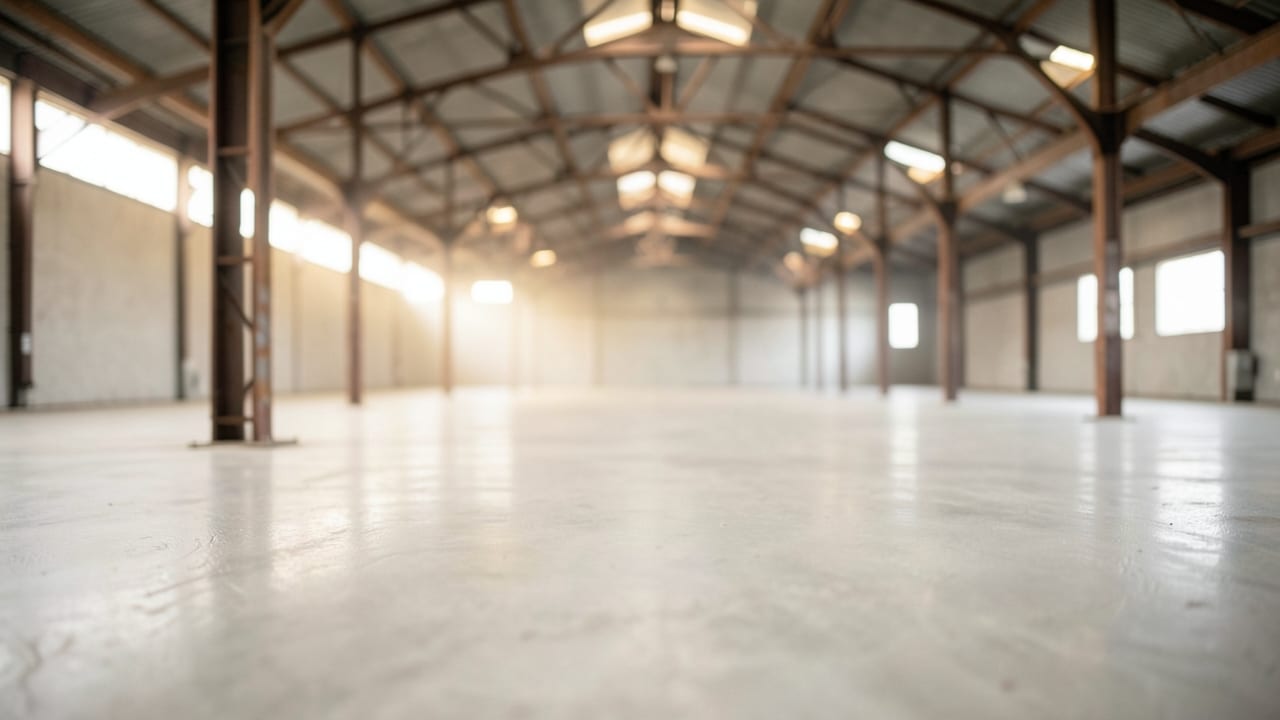
Warehouse Mold Cleanup in Fillmore, CA
Professional removal of mold from warehouse spaces to restore safe, clean conditions.
Learn More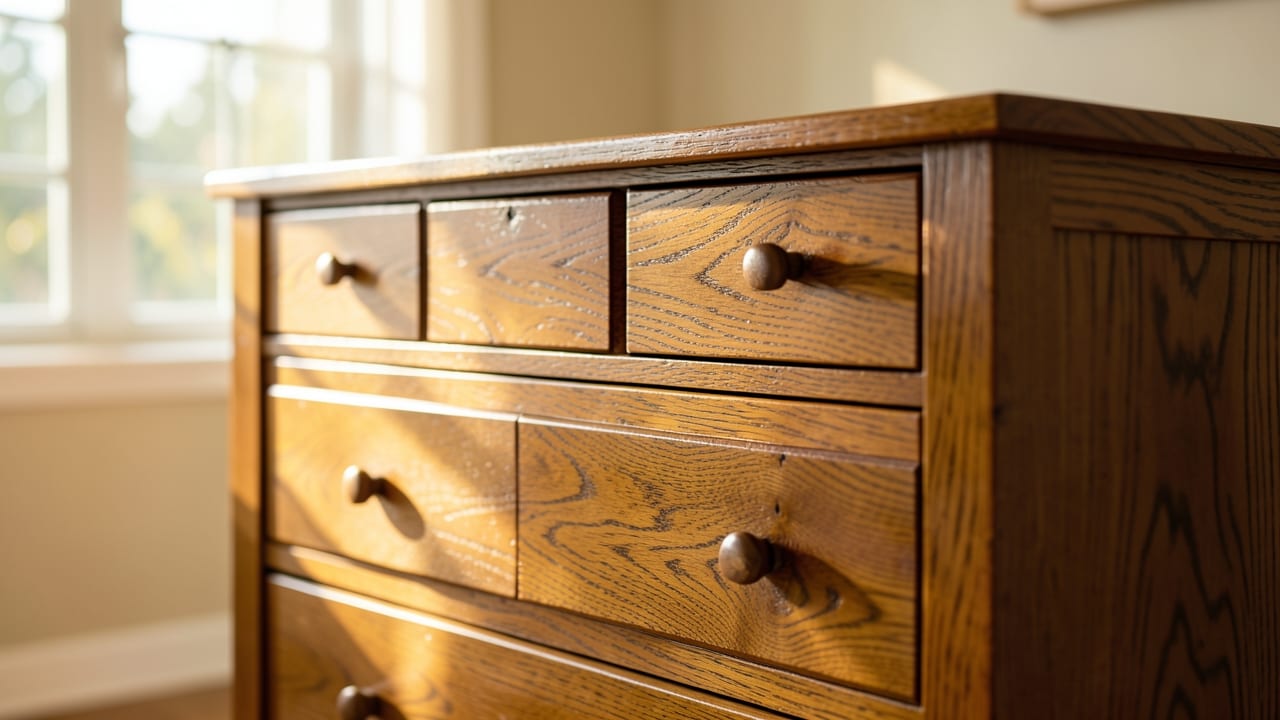
Wood Furniture Mold Remediation in Fillmore, CA
Professional removal and treatment of mold from wood furniture to restore safety and appearance.
Learn More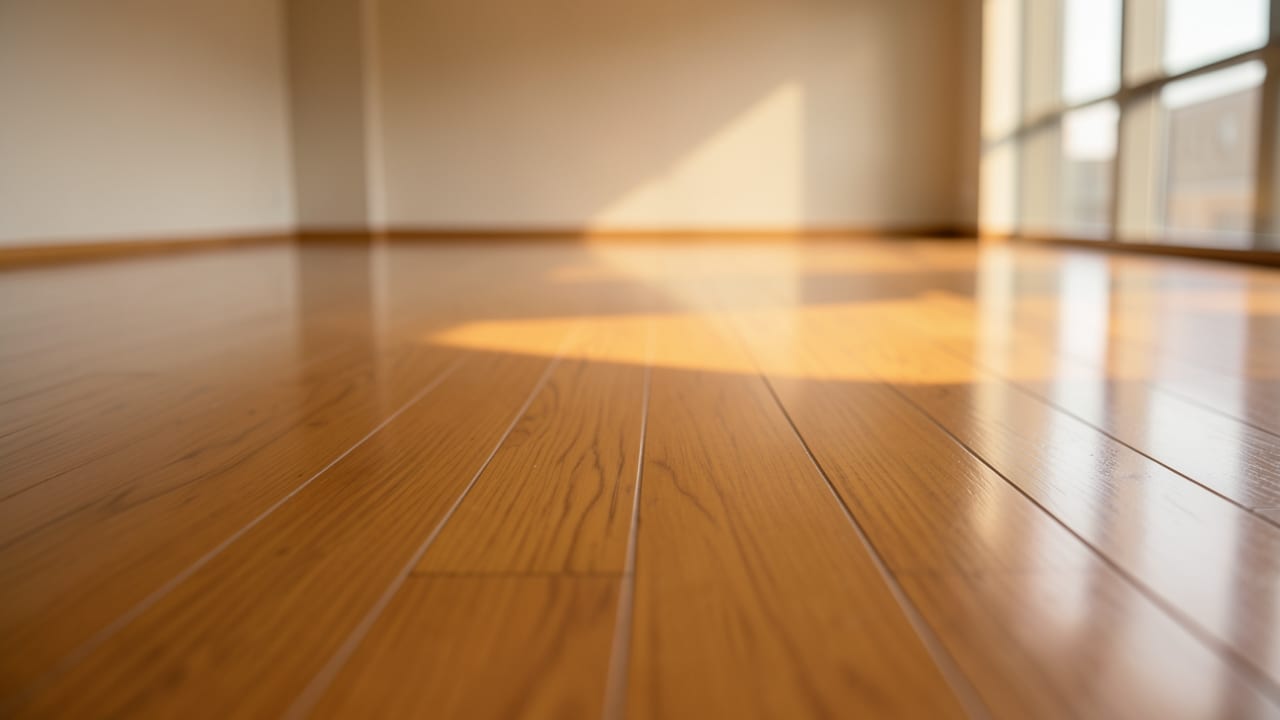
Vinyl Flooring Mold Treatment in Fillmore, CA
Professional mold treatment and removal for vinyl flooring in homes.
Learn More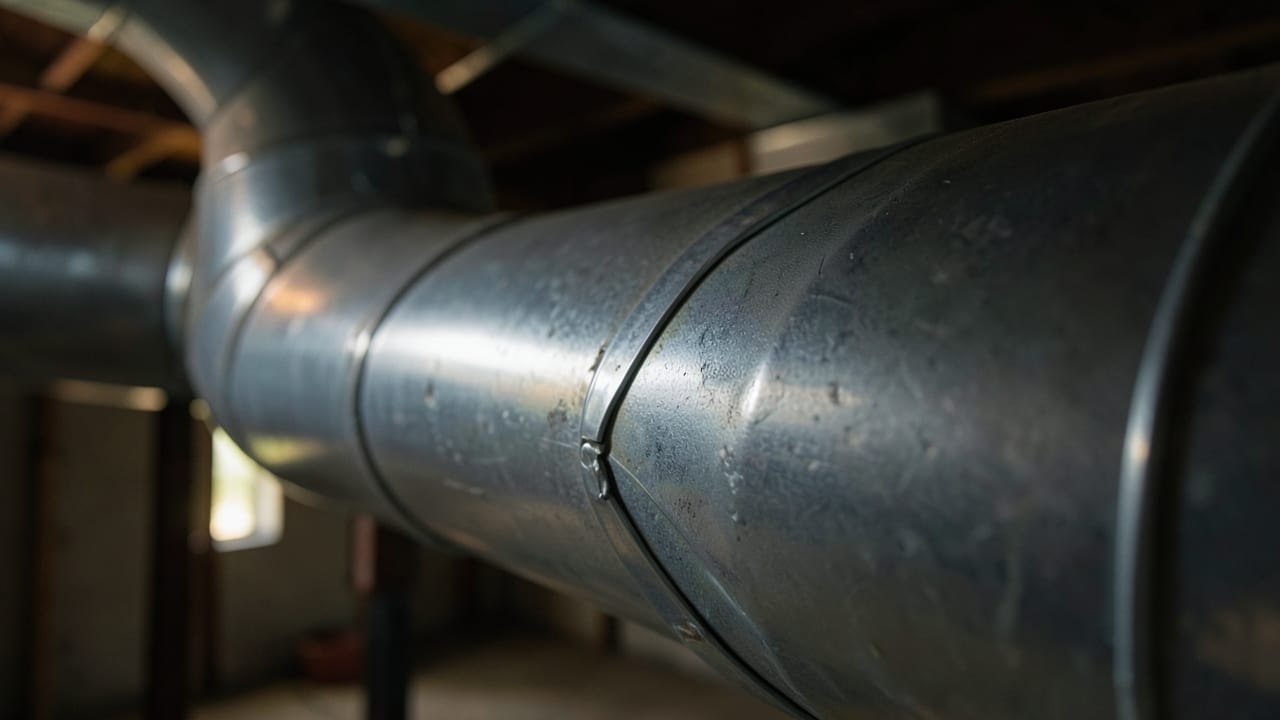
Metal Ductwork Mold Remediation in Fillmore, CA
Professional removal of mold from metal ductwork to restore indoor air quality.
Learn More
Brick Masonry Mold Treatment in Fillmore, CA
Professional mold treatment and removal from brick masonry to restore structural integrity and indoor air quality.
Learn MoreCommon Questions About Mold Remediation in Fillmore
Everything you need to know about mold remediation services in Fillmore
How much does New Construction Mold Remediation typically cost in Fillmore, CA?
Does coastal humidity around Fillmore, CA change how mold risk is assessed?
Is it safe to stay in the home during mold remediation?
Can small mold problems be handled without hiring anyone?
What's the actual difference between mold removal and mold remediation?
Is a final clearance test part of a typical mold remediation job?
Need Mold Remediation in Fillmore?
Connect with local providers in Fillmore for a detailed quote.
⏰ We answer your call • Serving all of Fillmore and surrounding areas