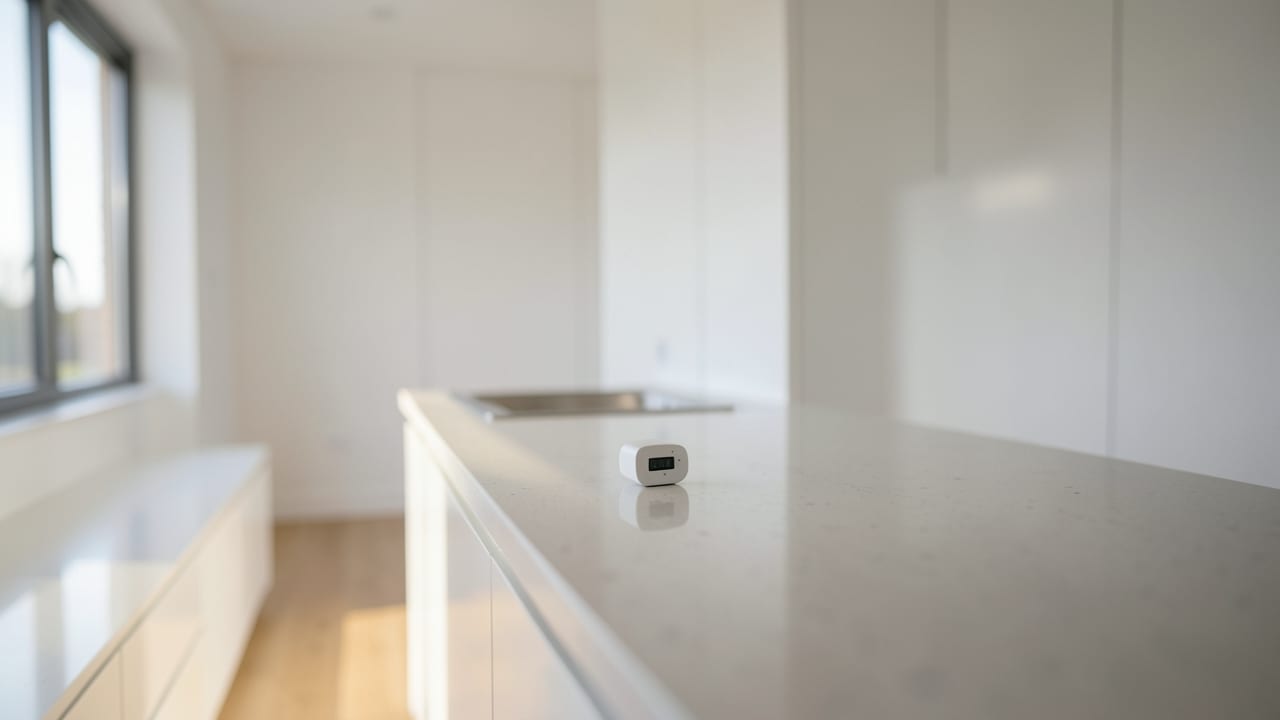
Move-In Mold Assessment
Professional inspection and assessment of mold presence before moving into a property.
When moving into a new home in Fillmore, CA, a move-in mold assessment helps you identify hidden mold growth before you settle in.
This service includes a thorough inspection of walls, ceilings, and HVAC systems, along with air and surface sampling to pinpoint potential contamination sources and moisture issues that could lead to future problems.
We also handle Apartment Mold Remediation and School Mold Remediation for Fillmore properties.
Why a move-in mold assessment matters
Mold can grow unseen in walls, basements, or behind appliances, often triggered by leaks, poor ventilation, or high humidity. A move-in assessment helps you understand the scope of any existing mold and the moisture sources fueling it—so you can address issues before they worsen or affect your health.
Ignoring hidden mold can lead to structural damage, musty odors, and respiratory irritation. By identifying the problem early, you can prioritize repairs and prevent costly remediation later. This assessment also provides a clear report for any future contractors or insurance claims.
Signs You May Need an Assessment
- A persistent musty or earthy smell in closets, bathrooms, or crawl spaces that doesn’t fade after airing out.
- Visible mold spots—black, green, brown, or dark speckles—on drywall, grout, window frames, or under carpets.
- A history of leaks or floods in the home, even if the area was ‘dried’ after cleanup.
- Health symptoms like sneezing, headaches, or itchy eyes that improve when you leave a specific room.
What the assessment covers
A certified inspector examines every accessible area of your home, using moisture meters and thermal imaging to detect hidden dampness in walls, ceilings, and subfloors. They map affected rooms and collect air and surface samples from suspect areas—plus a control sample from an unaffected room—to compare lab results accurately.
The lab analyzes samples for mold species and spore concentration, while the inspector traces moisture back to its source—whether it’s a roof leak, plumbing issue, poor grading, or condensation. This step is critical, as fixing the moisture source prevents mold from returning.
What your report includes
Your assessment results are documented in a written scope report, detailing affected materials, the likely moisture source, and the square footage involved. This report is essential for planning remediation and may be required by law before any cleanup work begins in California.
The report also helps you compare bids from remediation contractors, ensuring you understand exactly what work is needed—and what isn’t. Without it, you risk overpaying for unnecessary repairs or missing hidden issues.
| Report Includes | Why It Matters |
|---|---|
| Detailed mapping of affected rooms and materials | Helps contractors target remediation precisely. |
| Moisture source diagnosis (e.g., leak, poor ventilation) | Prevents mold from returning after cleanup. |
| Lab-confirmed mold species and spore counts | Distinguishes harmless surface mold from hazardous growth. |
| Square footage and material details | Ensures accurate pricing and avoids scope disputes. |
How a move-in mold assessment works
This process ensures you get a complete picture of mold risks in your new home.
- 1Visual and Moisture Inspection
A certified inspector walks through your home, checking for visible mold, staining, and musty odors. They use moisture meters and thermal imaging to detect hidden dampness in walls, ceilings, and floors, mapping every affected area.
- 2Air and Surface Sampling
Samples are collected from suspect areas—including air spore traps and surface swabs—along with a control sample from an unaffected room. This ensures lab results are compared against a baseline, not judged in isolation.
- 3Independent Lab Analysis
Samples are sent to a third-party accredited lab for analysis, where mold species and spore concentrations are measured. Results typically return in 2–5 business days, providing objective data for your report.
- 4Moisture Source Diagnosis
The inspector traces moisture back to its origin—whether it’s a leak, poor ventilation, or condensation. Identifying the source is critical, as fixing it prevents mold from regrowing after cleanup.
- 5Written Scope Report
Your findings are compiled into a detailed report, including affected materials, moisture sources, and square footage. This document guides remediation planning and may be required by law before work begins.
Frequently asked questions
What should I do if I smell mold but can’t see any?
A musty odor often signals hidden mold behind walls, under floors, or in HVAC systems. A move-in assessment uses specialized tools to locate moisture and growth sources, even if they’re not visible. Addressing the smell early prevents larger issues down the line.
Will the assessment tell me if my home is ‘safe’ to move into?
The assessment identifies mold presence and moisture sources, but safety depends on factors like ventilation, humidity control, and how quickly you address any issues. The report helps you prioritize repairs, but ongoing maintenance is key to preventing regrowth.
How long does it take to get results after sampling?
Lab turnaround for mold samples typically takes 2–5 business days, depending on the facility. Your inspector will provide a timeline during the assessment and explain next steps based on the findings.
Do I need a permit or inspection for mold remediation in Fillmore?
California requires a licensed contractor for remediation jobs over $500, but no specific mold permit is needed. However, some local codes or HOA rules may apply—check with Fillmore’s building department or your association if required.
Where Fillmore sits, and what the Census lists nearby
Fillmore sits in California, and the closest places listed in the U.S. Census Gazetteer are Piru (6.4 miles east), Moorpark (8.1 miles south), Santa Paula (9 miles west), Somis (10.3 miles southwest). Within 25 miles of Fillmore the same source lists 32 distinct incorporated places and census-designated places.
Those figures matter for move-in mold assessment because they are straight-line distances between Census coordinate points: road mileage between Fillmore and Piru runs longer than the 6.4 miles shown, which is why quotes for the same job differ between towns that look close together on a map.
Source: U.S. Census Bureau Gazetteer.
See Piru, CA for more, or see our full Fillmore-area coverage by service type for our complete lineup.
Ready to get started?
Talk to a local mold remediation pro in Fillmore — get a written quote.
Other Mold Remediation Services in Fillmore

Apartment Mold Remediation in Fillmore, CA
Professional mold removal and remediation for apartments to restore safe living conditions.
Learn More
School Mold Remediation in Fillmore, CA
Professional mold removal and remediation in schools to ensure a safe, healthy environment.
Learn More
Warehouse Mold Cleanup in Fillmore, CA
Professional removal of mold from warehouse spaces to restore safe, clean conditions.
Learn More
Wood Furniture Mold Remediation in Fillmore, CA
Professional removal and treatment of mold from wood furniture to restore safety and appearance.
Learn More
Vinyl Flooring Mold Treatment in Fillmore, CA
Professional mold treatment and removal for vinyl flooring in homes.
Learn More
Metal Ductwork Mold Remediation in Fillmore, CA
Professional removal of mold from metal ductwork to restore indoor air quality.
Learn MoreCommon Questions About Mold Remediation in Fillmore
Everything you need to know about mold remediation services in Fillmore
How much does Move-In Mold Assessment typically cost in Fillmore, CA?
Does coastal humidity around Fillmore, CA change how mold risk is assessed?
Is it safe to stay in the home during mold remediation?
Can small mold problems be handled without hiring anyone?
What's the actual difference between mold removal and mold remediation?
Is a final clearance test part of a typical mold remediation job?
Need Mold Remediation in Fillmore?
Connect with local providers in Fillmore for a detailed quote.
⏰ We answer your call • Serving all of Fillmore and surrounding areas