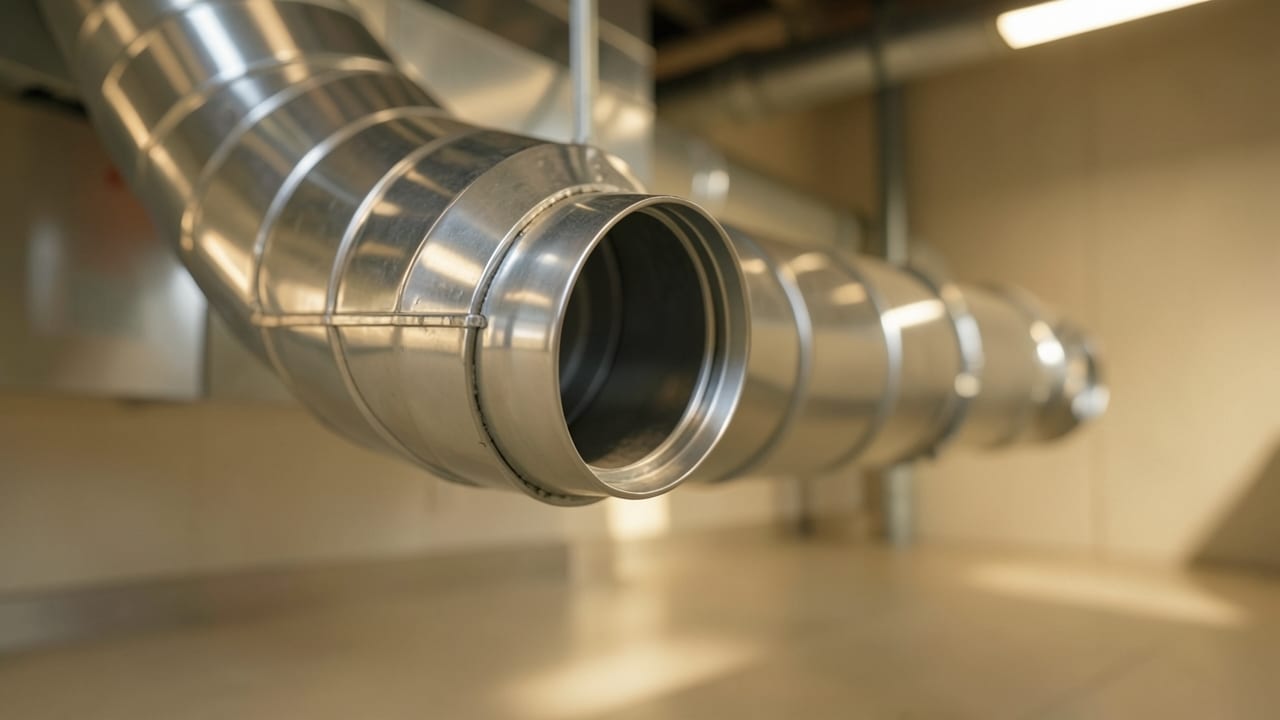
HVAC Mold Remediation
HVAC and ductwork mold remediation in Fillmore, CA — mold growing inside the air handler or duct system, spreading through every vent.
In Fillmore, CA, HVAC mold remediation targets hidden growth inside ductwork, coils, or air handlers. Unlike visible mold, this problem spreads spores through your entire home every time the system runs, requiring specialized containment and treatment to prevent recurrence.
Why HVAC Mold Is Different
Mold in your HVAC system isn’t confined to one room—it travels through every duct, affecting air quality throughout your Fillmore home. A damp cooling coil, condensation in ductwork, or a musty odor when the system starts are clear signs of this hidden issue.
We also handle Storm Damage Mold Cleanup and Pre-Winter Mold Prevention for Fillmore properties.
Because the system actively circulates air, spores reach areas wall or floor mold never could. Without proper remediation, the problem persists and can worsen, especially in Fillmore’s mild, humid climate where moisture lingers.
Signs HVAC Mold May Be Present
- Musty smell when the HVAC system turns on
- Visible mold on vent covers or inside ductwork
- Increased allergy symptoms or respiratory issues indoors
- Condensation or dampness around the cooling coil or ductwork
- Air samples from a mold inspection point to the HVAC system as the source
What Affects Cost and Timing
Pricing for HVAC mold remediation in Fillmore depends on the system size, extent of contamination, and whether ductwork needs replacement. Accessibility of the HVAC components also plays a role in labor time and cost.
Fixing the underlying moisture source—such as a clogged drain line or improperly insulated ductwork—is critical to prevent regrowth. Skipping this step often leads to recurring issues.
| Factor | Impact on Cost/Timing |
|---|---|
| System size (ductwork length, number of vents) | Larger systems require more labor and materials |
| Severity of mold growth | Heavy contamination may need duct replacement, increasing cost |
| Accessibility of HVAC components | Hard-to-reach areas add time and labor costs |
| Underlying moisture source repair | Essential for long-term success; adds to overall project scope |
How HVAC Mold Remediation Works
Our process ensures spores aren’t spread during cleaning and the root cause is addressed.
- 1Containment Setup
Seal supply and return vents with plastic sheeting and negative air pressure to prevent spores from circulating during work.
- 2Clean or Replace Affected Components
Remove and clean contaminated ductwork sections or replace them if damage is severe. Treat the coil and air handler interior with antimicrobial solutions.
- 3Moisture Source Repair
Fix issues like clogged drain lines, improper insulation, or condensation buildup to prevent mold from returning.
- 4Final Air Quality Testing
Conduct post-remediation air sampling to confirm mold levels are safe and the system is clean.
Frequently Asked Questions
How do I know if my HVAC system has mold?
Common signs include a musty smell when the system runs, visible mold on vents, or increased allergy symptoms. A professional mold inspection with air sampling can confirm if the HVAC system is the source.
Can I clean HVAC mold myself?
DIY cleaning risks spreading spores throughout your home and may not address the root cause. Professional remediation includes containment, proper cleaning, and moisture source repair for effective, long-term results.
How long does HVAC mold remediation take?
Most projects take 1-3 days, depending on system size, accessibility, and the extent of contamination. Complex jobs with ductwork replacement or hard-to-reach components may take longer.
Will mold come back after remediation?
If the underlying moisture issue isn’t fixed, mold can return. Our process includes identifying and repairing the source—such as a clogged drain line or poor insulation—to prevent regrowth.
See Bardsdale, CA for more, or explore everything on offer in Fillmore in detail for our complete lineup.
Ready to get started?
Talk to a local mold remediation pro in Fillmore — get a written quote.
Other Mold Remediation Services in Fillmore
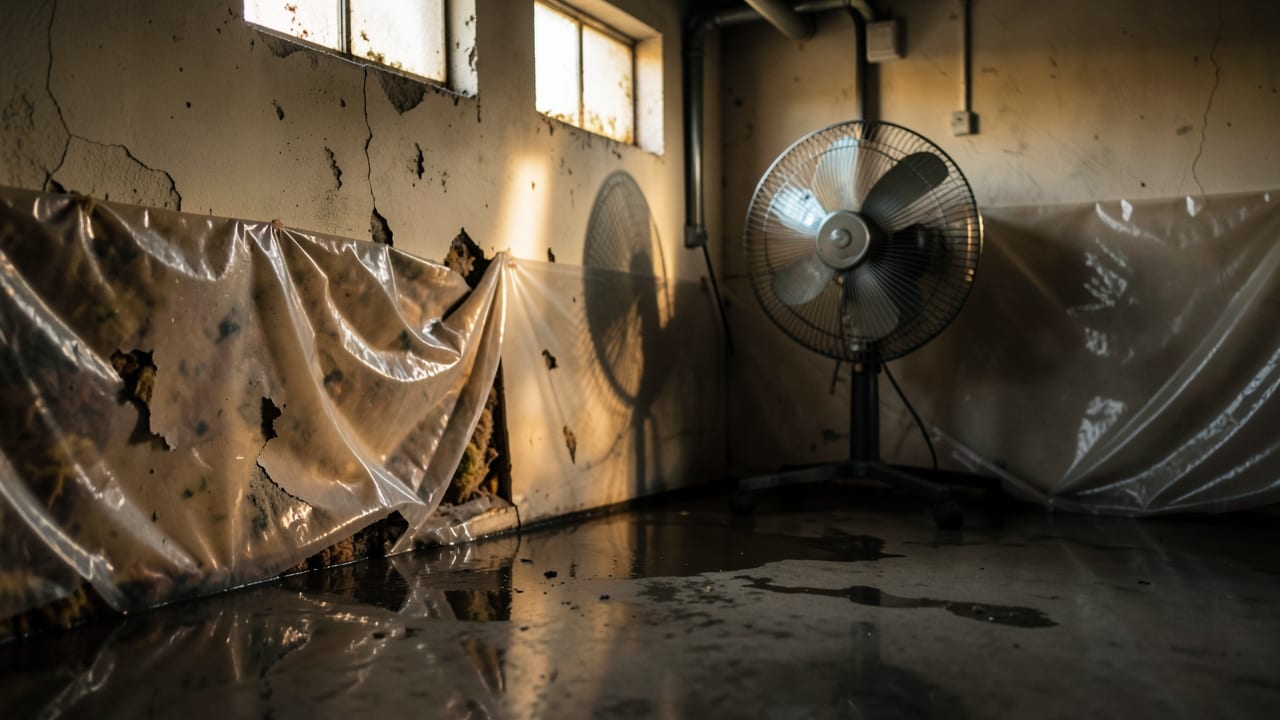
Storm Damage Mold Cleanup in Fillmore, CA
Professional cleanup and remediation of mold caused by storm-related water damage in homes.
Learn More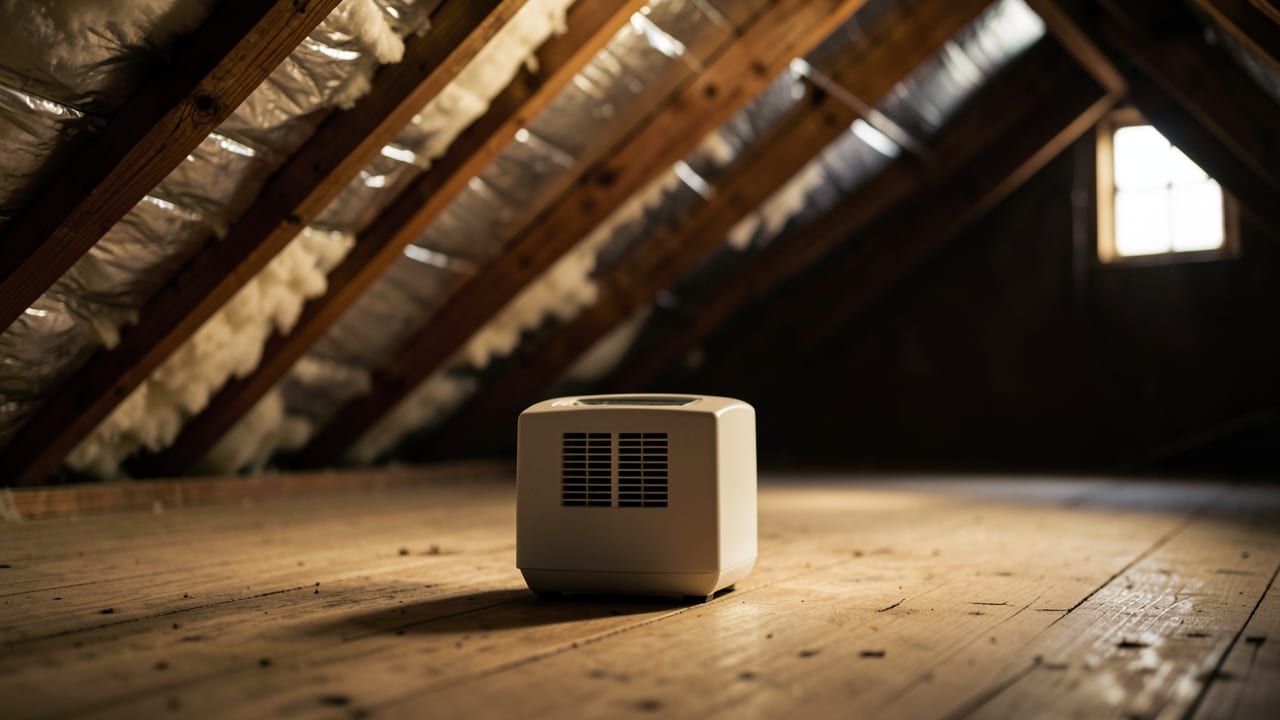
Pre-Winter Mold Prevention in Fillmore, CA
Pre-winter mold prevention involves inspection and treatment to stop mold growth before cold weather.
Learn More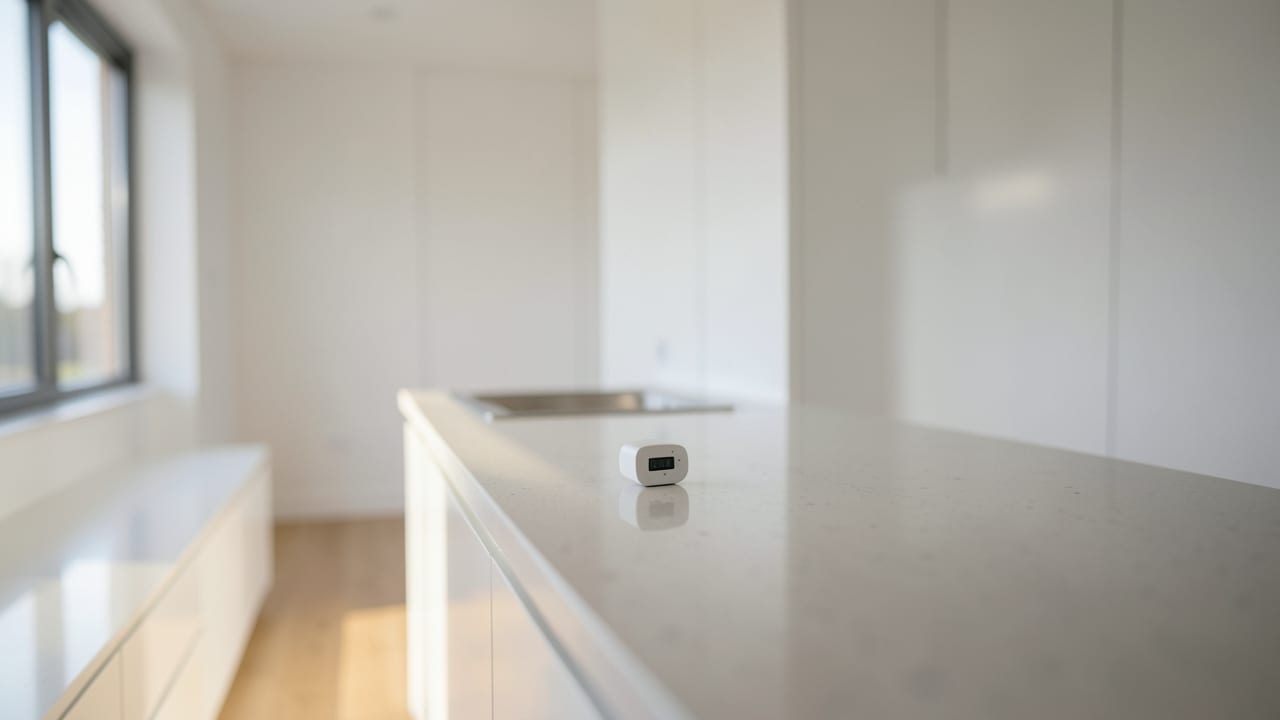
Move-In Mold Assessment in Fillmore, CA
Professional inspection and assessment of mold presence before moving into a property.
Learn More
Post-Remediation Sealing in Fillmore, CA
Applying protective sealants to surfaces after mold remediation to prevent future growth.
Learn More
Mold Inspection in Fillmore, CA
Mold inspection in Fillmore, CA — a visual and moisture-meter assessment that finds the source of growth, not just the visible spot on the wall.
Learn More
Mold Testing & Air Quality Testing in Fillmore, CA
Mold and indoor air quality testing in Fillmore, CA — lab-analyzed air and surface samples confirm what's actually growing and whether it's airborne.
Learn MoreCommon Questions About Mold Remediation in Fillmore
Everything you need to know about mold remediation services in Fillmore
How much does HVAC Mold Remediation typically cost in Fillmore, CA?
Does coastal humidity around Fillmore, CA change how mold risk is assessed?
Does mold mean the same thing as mildew?
Does homeowners insurance typically cover mold remediation?
Is black mold actually more dangerous than other mold types?
How long does a typical mold remediation job take?
Need Mold Remediation in Fillmore?
Connect with local providers in Fillmore for a detailed quote.
⏰ We answer your call • Serving all of Fillmore and surrounding areas