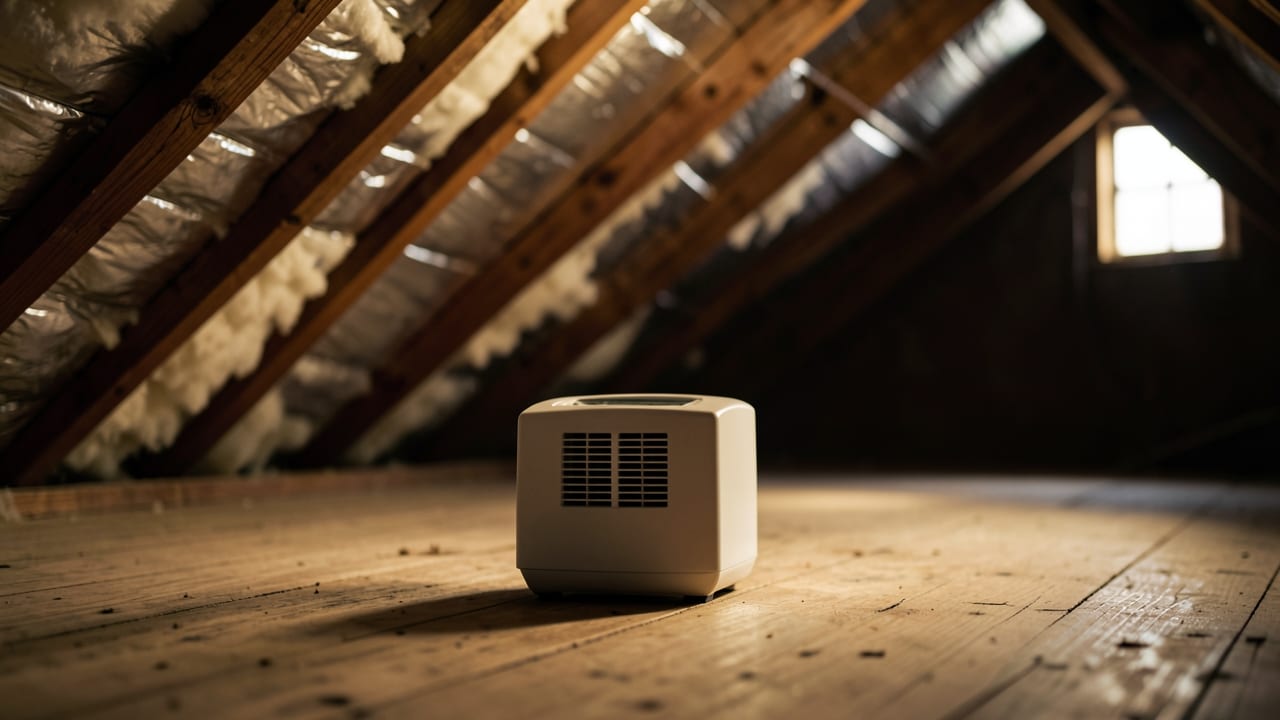
Pre-Winter Mold Prevention
Pre-winter mold prevention involves inspection and treatment to stop mold growth before cold weather.
As Fillmore’s cooler, wetter winter months approach, pre-winter mold prevention helps protect your home by addressing moisture-prone areas before leaks and humidity trigger growth.
Targeting attics, basements, and crawl spaces, this service focuses on sealing leaks, improving airflow, and applying treatments to vulnerable surfaces—reducing the risk of hidden mold taking hold when temperatures drop.
We also handle Pantry Mold Treatment and Hallway Mold Remediation for Fillmore properties.
When to act: signs you need pre-winter mold prevention
Mold growth often starts small but spreads quickly in damp conditions. Look for visible patches larger than a few square feet, recurring mold in the same spot after cleaning, or a persistent musty odor—especially when HVAC runs. These signs suggest hidden moisture sources or contamination beyond surface-level cleaning.
Poor airflow in enclosed spaces like windowless bathrooms or basements also creates ideal conditions for mold. If you’ve noticed damp walls, condensation, or water stains, addressing these issues before winter helps prevent mold from establishing itself when humidity rises indoors.
When to Call for Help
- Mold covers more than 10 square feet in a single area (California’s threshold for professional remediation).
- The same spot keeps growing mold after cleaning—indicating an unfixed moisture issue.
- You smell mustiness with no visible mold, especially when heating or cooling runs.
- Condensation or water stains appear on walls, ceilings, or floors after rain or high humidity.
What affects cost and scope in Fillmore
Pricing for pre-winter mold prevention depends on the size of the treated area, the extent of moisture damage, and whether hidden mold is found during inspection. Black mold cases or extensive contamination typically cost more due to additional containment and safety measures.
Containment, clearance testing, and fixing moisture sources (like leak repairs or grading adjustments) may add to the total. Always confirm whether a quote includes these steps—some providers charge separately for them.
Prevention vs. remediation: the critical difference
Removing visible mold without fixing the moisture source is like treating a symptom without curing the illness—growth will return. Pre-winter prevention focuses on sealing leaks, improving ventilation, and applying moisture-resistant treatments to high-risk areas before problems start.
For example, sealing a leaky roof or installing a dehumidifier in a damp basement reduces long-term risk far more than surface cleaning alone. This step is what helps finishes last longer and keeps your home healthier.
After remediation, monitor humidity in treated areas with a hygrometer (ideal: 30–50% RH). Stagnant air in closets or basements benefits from a small fan or dehumidifier, even after repairs.
How pre-winter mold prevention works
This service combines containment, removal, and moisture control to stop mold before it spreads.
- 1Containment Setup
Plastic sheeting and negative-air machines seal the work area to prevent spores from spreading to unaffected parts of your home during removal.
- 2Material Removal or Cleaning
Porous materials heavily contaminated with mold (like drywall or insulation) are cut out and bagged, while non-porous surfaces (framing, tile) are scrubbed and treated to kill remaining spores.
- 3Structural Drying
Industrial dehumidifiers and air movers dry framing and subfloors to safe moisture levels before containment is removed, reducing regrowth risk.
- 4Clearance Testing
An independent lab tests air or surfaces post-remediation to confirm spore counts are back to normal levels before the area is considered finished.
- 5Moisture Source Fix
Leaks, poor grading, or ventilation issues are addressed to prevent future mold—this step is critical for long-term results.
Frequently asked questions
Can I handle small mold patches myself, or should I call a professional?
For patches smaller than 10 square feet, surface cleaning with detergent and water may suffice. However, if mold keeps returning, spreads quickly, or you smell it without seeing it, professional remediation is safer—especially in hidden areas like walls or ductwork.
Will pre-winter prevention stop mold from coming back entirely?
Fixing moisture sources and improving airflow reduces the risk significantly, but no method is 100% foolproof. Regular checks for dampness or musty odors help catch early signs before they worsen.
How long does the entire process take from start to finish?
Containment, removal, and drying typically take 1–3 days, depending on the size and severity. Clearance testing adds another 24–48 hours, and fixing leaks or ventilation issues may extend the timeline.
Do I need to be home during the work, or can I schedule it around my routine?
You don’t need to be present, but it’s helpful to share access details and point out areas of concern. Some containment steps (like sealing off rooms) may require brief coordination with you.
Where Fillmore sits, and what the Census lists nearby
Fillmore sits in California, and the closest places listed in the U.S. Census Gazetteer are Piru (6.4 miles east), Moorpark (8.1 miles south), Santa Paula (9 miles west), Somis (10.3 miles southwest). Within 25 miles of Fillmore the same source lists 32 distinct incorporated places and census-designated places.
Those figures matter for pre-winter mold prevention because they are straight-line distances between Census coordinate points: road mileage between Fillmore and Piru runs longer than the 6.4 miles shown, which is why quotes for the same job differ between towns that look close together on a map.
Source: U.S. Census Bureau Gazetteer.
See Casa Conejo, CA for more, or check out our full Fillmore-area coverage on a single page for our complete lineup.
Ready to get started?
Talk to a local mold remediation pro in Fillmore — get a written quote.
Other Mold Remediation Services in Fillmore

Pantry Mold Treatment in Fillmore, CA
Professional assessment and removal of mold in pantry areas to restore a safe, clean space.
Learn More
Hallway Mold Remediation in Fillmore, CA
Professional removal and treatment of mold growth in residential hallways.
Learn More
Condo Mold Remediation in Fillmore, CA
Professional removal and treatment of mold in condominiums to restore safe, healthy living spaces.
Learn More
Retail Store Mold Remediation in Fillmore, CA
Professional mold removal and remediation for retail stores to restore safe, clean environments.
Learn More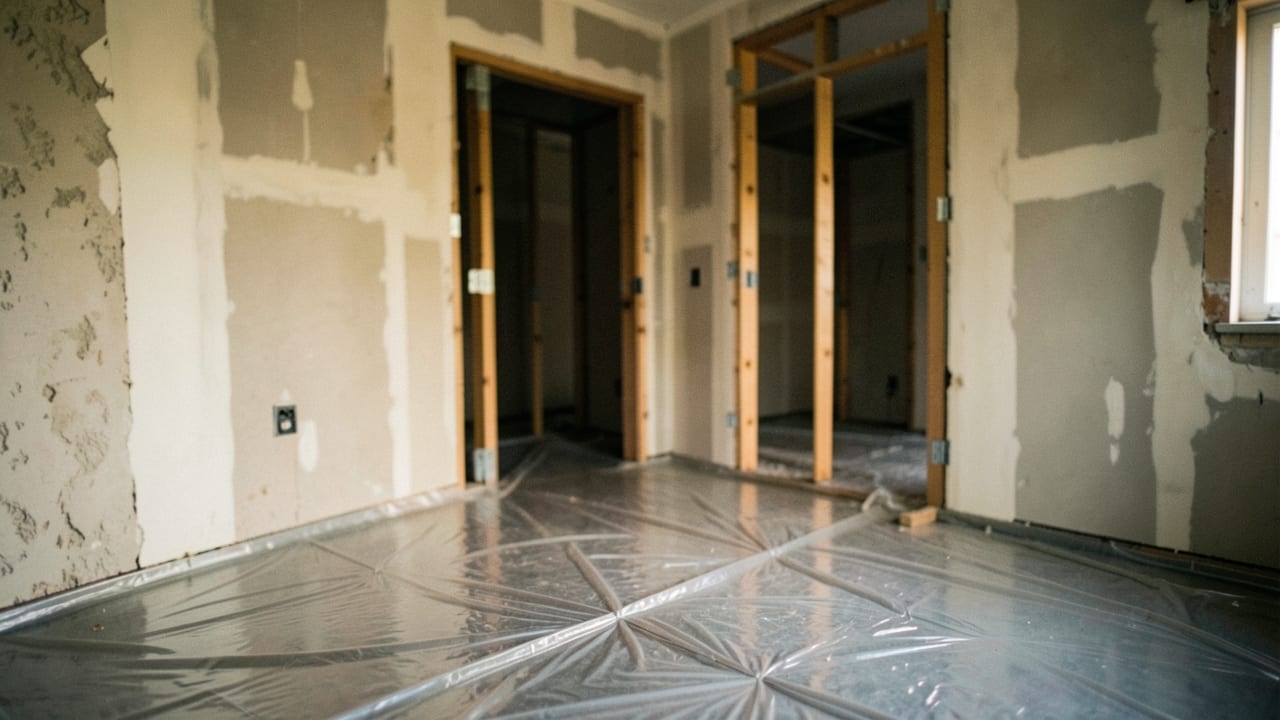
New Construction Mold Remediation in Fillmore, CA
Professional mold removal and prevention in newly built homes to ensure safe, clean living spaces.
Learn More
Hotel Mold Remediation in Fillmore, CA
Professional removal and treatment of mold growth in hotel properties to restore safe, clean environments.
Learn MoreCommon Questions About Mold Remediation in Fillmore
Everything you need to know about mold remediation services in Fillmore
How much does Pre-Winter Mold Prevention typically cost in Fillmore, CA?
Does coastal humidity around Fillmore, CA change how mold risk is assessed?
How does mold remediation actually prevent the problem from coming back?
Can mold growing inside HVAC ductwork spread to the rest of a home?
Does mold mean the same thing as mildew?
Does homeowners insurance typically cover mold remediation?
Need Mold Remediation in Fillmore?
Connect with local providers in Fillmore for a detailed quote.
⏰ We answer your call • Serving all of Fillmore and surrounding areas