Understanding Mold Remediation Costs in Fillmore: Level 1, 2, and 3 Contamination Breakdown
Mold remediation costs in Fillmore vary widely based on contamination severity, affected materials, and the scope of work required. Our team breaks down Level 1, 2, and 3 remediation so you know what to expect—and what factors drive the final price. Request a quote for precise numbers tailored to your property.
Why Contamination Level Determines Mold Remediation Costs
Mold remediation isn’t one-size-fits-all. The IICRC S520 standard classifies contamination into three levels, each dictating the complexity of containment, removal, and verification required.
Level 1 covers small, isolated areas under 10 sq. ft., often in bathrooms or under sinks. These are the least costly because they require minimal containment and standard PPE.
Level 2 involves mid-sized infestations (10–30 sq. ft.) or multiple small patches. This tier demands more rigorous containment, HEPA air scrubbers, and often drywall or insulation removal.
Level 3 addresses heavy contamination (30+ sq. ft.) or systemic issues in HVAC systems, crawl spaces, or attics. These projects require full-scale containment, negative air pressure, and post-remediation verification.
Fillmore’s Climate: A Hidden Cost Driver for Mold Growth
Our region’s Mediterranean climate—mild, wet winters and hot, dry summers—creates ideal conditions for mold. Poor ventilation in attics or crawl spaces traps moisture, accelerating growth.
Neighboring areas like Santa Paula and Ojai share similar risks. Properties near the Santa Clara River or in older neighborhoods like Bardsdale often face higher humidity, increasing remediation complexity.
Even in drier months, AC condensation or plumbing leaks in Ventura or Moorpark homes can spark outbreaks. Proactive moisture control reduces long-term remediation costs.
Crawl spaces and basements in Fillmore, Piru, and Somis are particularly vulnerable. Regular inspections catch issues before they escalate to Level 2 or 3.
Level 1 Mold Remediation: Small, Contained, and Cost-Effective
Level 1 projects target surface mold on non-porous materials like tile, glass, or metal. Our team uses HEPA vacuums, antimicrobial cleaners, and minimal containment to resolve the issue.
Costs stay lower because the work is localized. However, if mold penetrates drywall or insulation, the project may escalate to Level 2, increasing labor and material expenses.
Post-remediation, we verify with air quality testing to ensure spore counts return to normal. This step is critical, even for small jobs, to prevent recurrence.
Level 2 Mold Remediation: Mid-Scale Infestations and Structural Impact
Level 2 contamination often involves porous materials like drywall, carpet, or ceiling tiles. These require removal and replacement, adding to labor and disposal costs.
Containment barriers and negative air pressure prevent spores from spreading during remediation. In areas like Camarillo or Thousand Oaks, where homes have shared walls, this step is non-negotiable.
HVAC systems can also harbor mold. If ducts are affected, we may need to clean or replace sections, which falls under Level 2 or 3 depending on the extent.
| Factor | Level 1 | Level 2 |
|---|---|---|
| Area Size | < 10 sq. ft. | 10–30 sq. ft. |
| Containment Needed | Minimal | Moderate (barriers, air scrubbers) |
| Material Removal | Rare (non-porous only) | Common (drywall, insulation, carpet) |
| HEPA Equipment | Vacuum only | Vacuum + air scrubbers |
| Post-Remediation Testing | Recommended | Required |
| Typical Duration | 1 day | 2–5 days |
Level 3 Mold Remediation: Large-Scale or Systemic Contamination
Level 3 remediation addresses extensive mold in attics, crawl spaces, or HVAC systems. These projects demand full containment, heavy-duty air filtration, and often structural repairs.
In Fillmore and nearby areas like Santa Susana or Lake Sherwood, older homes with poor ventilation or past water damage frequently require Level 3 work. The scope may include replacing subflooring, insulation, or even framing.
Clearance testing is mandatory here. Third-party inspectors verify that spore levels meet EPA guidelines before we consider the job complete.
Attempting to remediate Level 3 mold without proper containment can spread spores throughout your home, worsening the problem. Always hire local professionals.
What Else Affects Mold Remediation Costs in Fillmore?
Accessibility plays a major role. Attic or crawl space remediation in Oak Park or Hasley Canyon often requires additional labor for safe entry and equipment setup.
The type of mold matters too. Black mold (Stachybotrys) or toxic varieties may require more aggressive treatments, increasing costs. Lab testing identifies the species and guides our approach.
Water damage restoration is frequently bundled with remediation. If the mold stems from a leak in Santa Rosa Valley or Val Verde, we’ll address the source to prevent regrowth, adding to the project’s scope.
Cost Factors to Discuss During Your Quote
- Size and location of the affected area
- Type of mold and toxicity level
- Materials requiring removal (drywall, insulation, etc.)
- Need for HVAC cleaning or duct replacement
- Accessibility challenges (crawl spaces, attics)
- Post-remediation testing and clearance requirements
Commercial vs. Residential Mold Remediation Costs
Commercial properties in Fillmore, Simi Valley, or Westlake Village often face higher remediation costs due to scale. Large office buildings or warehouses may require phased remediation to minimize business disruption.
Regulatory compliance adds complexity. Commercial projects must adhere to OSHA and local health department standards, which can involve more rigorous documentation and testing.
Residential jobs are typically smaller but may still require Level 3 protocols if mold is widespread. We tailor our approach to the property type and occupancy risks.
How to Prevent Future Mold (and Future Costs)
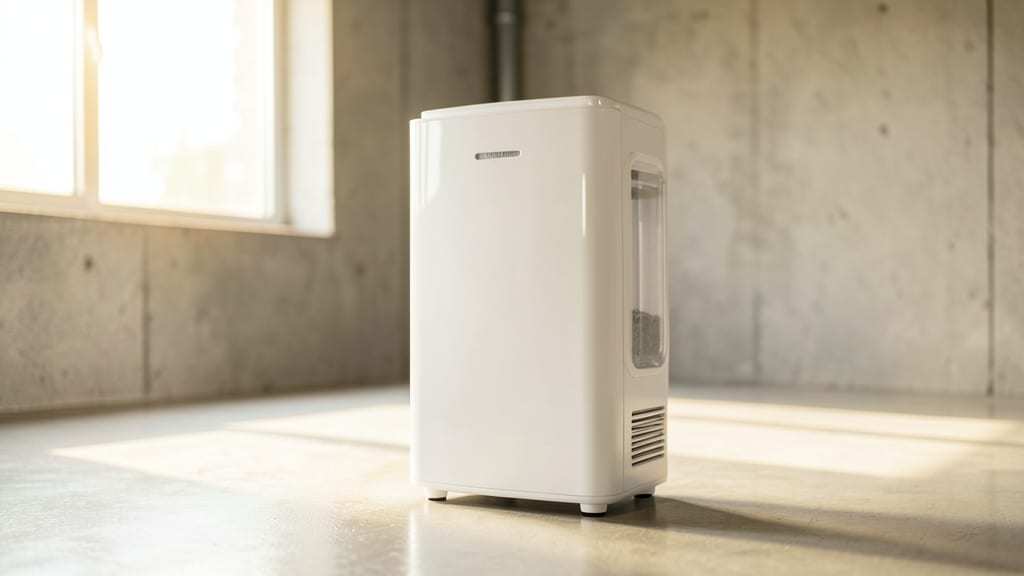
Moisture control is the best defense. In Fillmore’s climate, dehumidifiers in crawl spaces and proper attic ventilation are essential, especially in older homes in areas like El Rio or Oxnard.
Regular inspections catch early signs. We recommend annual mold and air quality testing for properties in high-risk zones, including Santa Paula, Moorpark, and Ojai.
Address water damage immediately. Even minor leaks in Hidden Hills or Bell Canyon can lead to costly remediation if left unchecked. Our team offers water damage restoration to stop mold before it starts.
Install moisture sensors in basements and crawl spaces. Early detection saves thousands in remediation costs down the line.
How to Prepare for a Mold Remediation Quote in Fillmore
Getting an accurate quote starts with the right preparation.
- 1Document the Problem
Take clear photos or videos of the mold, including close-ups and wide shots showing the full extent. Note any musty odors or water stains.
- 2Identify the Source
Check for leaks, condensation, or poor ventilation in the affected area. Share this info with our team to streamline the assessment.
- 3Clear the Area
Remove personal items, furniture, or stored belongings from the space. This allows our inspectors to access all surfaces and provides a more accurate quote.
- 4Gather Property Details
Have the age of your home, past water damage history, and any prior remediation attempts ready. This context helps us tailor our approach.
- 5Schedule the Inspection
Our team will perform a thorough assessment, including moisture mapping and air quality testing, to determine the contamination level and scope of work.
Frequently Asked Questions
How long does mold remediation take in Fillmore?
Level 1 projects often wrap up in a day, while Level 2 typically takes 2–5 days. Level 3 remediation can span a week or more, especially for large homes or commercial properties in areas like Ventura or Thousand Oaks.
Do I need to leave my home during remediation?
For Level 1, you usually don’t need to relocate. Level 2 may require temporary evacuation during containment setup. Level 3 almost always necessitates vacating the property for safety, particularly in severe cases in Santa Paula or Moorpark.
Is mold testing included in remediation costs?
Pre-remediation testing is often a separate service, but post-remediation verification is typically bundled into Level 2 and 3 projects. We recommend initial testing to confirm the type and extent of mold before starting work.
Can mold come back after remediation?
Yes, if the moisture source isn’t addressed. Our team includes moisture control solutions in our remediation plans to prevent recurrence. Regular inspections in high-risk areas like Piru or Somis help catch new issues early.
Does homeowners insurance cover mold remediation in Fillmore?
Coverage varies by policy. Many insurers cover remediation if the mold results from a sudden, accidental water damage event (e.g., a burst pipe). Gradual damage or neglect is often excluded. Check your policy and consult your provider.
What’s the difference between mold removal and mold remediation?
Mold removal refers to physically eliminating mold from surfaces. Remediation is a comprehensive process that includes containment, removal, cleaning, and preventing future growth. In Fillmore, remediation is the standard for safety and long-term results.