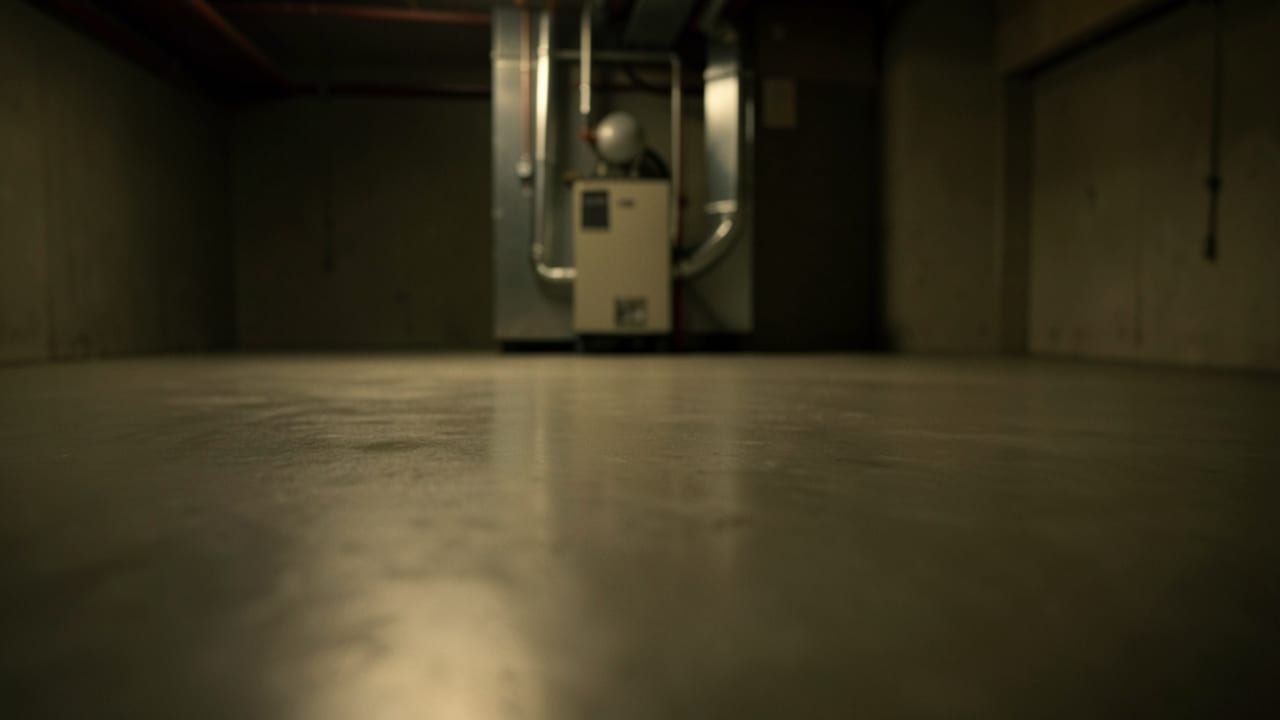
Concrete Mold Remediation
Professional removal and treatment of mold from concrete surfaces in homes.
Concrete mold remediation in Fillmore, CA addresses mold growth on concrete surfaces like basements, patios, and foundations. This process involves cleaning, disinfecting, and applying preventative measures to stop regrowth, ensuring your home remains safe and structurally sound. Proper remediation prevents health risks and long-term damage to your property.
When to call for concrete mold remediation
Mold on concrete surfaces can often be mistaken for dirt or staining, but its presence signals a deeper issue. If you notice mold covering more than a small, isolated patch—typically over 25 square feet—or if it keeps returning after cleaning, it’s time to act.
We also handle Brick Masonry Mold Treatment and Stairwell Mold Remediation for Fillmore properties.
Musty odors, especially those that worsen when HVAC systems run, may also indicate hidden mold growth in walls, floors, or ductwork.
Concrete mold thrives in damp environments, so if you’ve noticed leaks, poor drainage, or condensation near affected areas, these are clear signs the moisture source must be addressed alongside remediation. Ignoring these issues can lead to regrowth, turning a small problem into a larger, more costly repair down the line.
Signs You Need Professional Concrete Mold Remediation
- Mold covers more than 25 square feet of concrete (a common threshold for professional intervention).
- The mold keeps returning after cleaning, even after multiple attempts.
- You notice a musty smell that worsens when HVAC systems or fans are running.
- There are visible moisture issues like leaks, condensation, or poor drainage near the mold.
- The mold appears black or dark green, which may indicate toxic strains like *Stachybotrys chartarum*.
What affects the cost and timeline?
The cost of concrete mold remediation in Fillmore typically ranges based on the size of the affected area, the severity of the mold, and whether black mold is present. Labor, materials, and equipment—such as containment barriers, HEPA air scrubbers, and industrial dehumidifiers—also play a role.
Jobs that require structural drying or extensive moisture source repairs may take longer and cost more.
Clearance testing, which confirms the job is complete, is often priced separately. Some contractors bundle it into the estimate, while others charge extra, so always ask upfront. The timeline can also depend on whether hidden mold is discovered during the process, which may require additional containment and cleanup.
Why containment and testing matter
Containment is critical during concrete mold remediation to prevent spores from spreading to unaffected areas of your home. Plastic sheeting and negative-air machines create a sealed work zone, ensuring disturbed spores stay inside rather than circulating through hallways or HVAC systems.
Without proper containment, a small job can quickly become a much larger—and more expensive—problem.
Clearance testing, conducted by an independent third party, verifies that spore levels return to normal after remediation. This step is essential because it confirms the work was effective and reduces the risk of regrowth. Skipping testing leaves uncertainty about whether the mold has truly been resolved.
Using standard shop vacuums or non-HEPA air scrubbers recirculates spores instead of capturing them. Removing mold without fixing the moisture source (like a leak or poor drainage) almost always leads to regrowth. Always verify that containment is properly sealed and that clearance testing is included in the scope of work.
How concrete mold remediation works
This process ensures mold is safely removed and prevents it from returning.
- 1Containment Setup
Plastic sheeting and negative-air machines seal off the work area to prevent spores from spreading to other parts of your home. This step is critical for keeping the job contained and protecting your family’s health.
- 2Removal and Cleaning
Porous materials like drywall or carpet padding that have absorbed mold are cut out and bagged. Non-porous surfaces, such as concrete, are scrubbed and treated with antimicrobial solutions to kill remaining spores.
- 3HEPA Filtration and Drying
HEPA air scrubbers run continuously to capture airborne spores, and HEPA vacuums clean surfaces. Industrial dehumidifiers and air movers dry the area to prevent future mold growth, as dampness is the primary cause of regrowth.
- 4Moisture Source Repair
The underlying cause of the mold—such as leaks, poor drainage, or high humidity—is identified and repaired. Fixing this issue is essential to prevent the mold from returning after remediation.
- 5Clearance Testing
An independent lab tests the air or surfaces to confirm spore levels are back to normal. This step ensures the remediation was successful and the area is safe to reoccupy.
Frequently asked questions
How do I know if my concrete mold problem is serious enough to need professional remediation?
If the mold covers more than 25 square feet, keeps returning after cleaning, or you notice a musty smell—especially when HVAC systems run—it’s likely time for professional help. Hidden mold or black mold also warrant expert intervention.
Will the remediation process disrupt my daily life?
The work area will be contained to limit disruption, but some noise, dust, and temporary relocation of furniture may be necessary. Clearance testing ensures the area is safe to reoccupy before containment is removed.
How long does the entire process take from start to finish?
The timeline varies based on the size of the job and whether hidden mold or moisture issues are discovered. Containment, removal, drying, and testing can take anywhere from a few days to over a week, depending on the scope.
Do I need to be home during the remediation process?
You typically don’t need to be present, but the contractor may ask you to temporarily relocate pets or children from the work area. Clear communication about access and safety protocols will be provided before the job begins.
Where Fillmore sits, and what the Census lists nearby
Fillmore sits in California, and the closest places listed in the U.S. Census Gazetteer are Piru (6.4 miles east), Moorpark (8.1 miles south), Santa Paula (9 miles west), Somis (10.3 miles southwest). Within 25 miles of Fillmore the same source lists 32 distinct incorporated places and census-designated places.
Those figures matter for concrete mold remediation because they are straight-line distances between Census coordinate points: road mileage between Fillmore and Piru runs longer than the 6.4 miles shown, which is why quotes for the same job differ between towns that look close together on a map.
Source: U.S. Census Bureau Gazetteer.
See Santa Susana, CA for more, or discover our full Fillmore-area coverage by neighborhood for our complete lineup.
Ready to get started?
Talk to a local mold remediation pro in Fillmore — get a written quote.
Other Mold Remediation Services in Fillmore
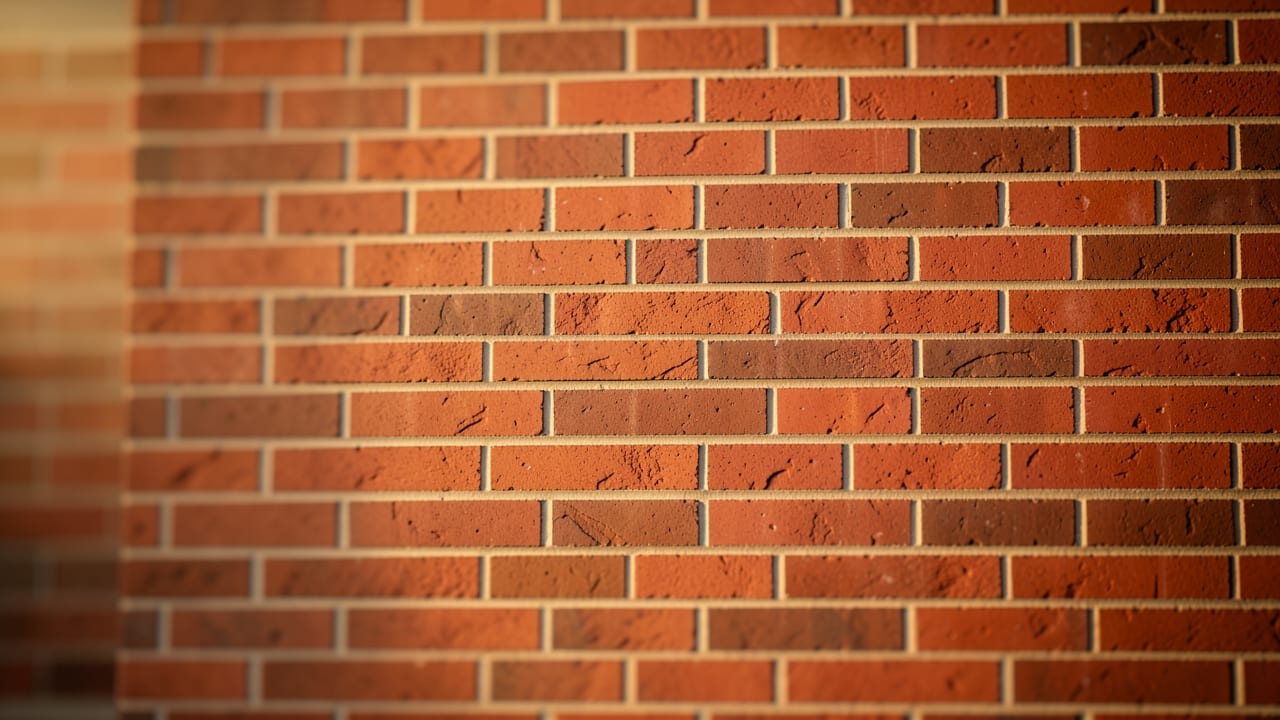
Brick Masonry Mold Treatment in Fillmore, CA
Professional mold treatment and removal from brick masonry to restore structural integrity and indoor air quality.
Learn More
Stairwell Mold Remediation in Fillmore, CA
Professional mold removal and prevention in stairwells to restore safe, clean spaces.
Learn More
Sunroom Mold Remediation in Fillmore, CA
Professional removal and treatment of mold in sunrooms to restore a safe, clean space.
Learn More
Pantry Mold Treatment in Fillmore, CA
Professional assessment and removal of mold in pantry areas to restore a safe, clean space.
Learn More
Hallway Mold Remediation in Fillmore, CA
Professional removal and treatment of mold growth in residential hallways.
Learn More
Condo Mold Remediation in Fillmore, CA
Professional removal and treatment of mold in condominiums to restore safe, healthy living spaces.
Learn MoreCommon Questions About Mold Remediation in Fillmore
Everything you need to know about mold remediation services in Fillmore
How much does Concrete Mold Remediation typically cost in Fillmore, CA?
Does coastal humidity around Fillmore, CA change how mold risk is assessed?
Can small mold problems be handled without hiring anyone?
What's the actual difference between mold removal and mold remediation?
Is a final clearance test part of a typical mold remediation job?
How does mold remediation actually prevent the problem from coming back?
Need Mold Remediation in Fillmore?
Connect with local providers in Fillmore for a detailed quote.
⏰ We answer your call • Serving all of Fillmore and surrounding areas