Cleaning Mildew Safely: A Step-by-Step Guide for Fillmore Homeowners
Mildew isn’t just an eyesore—it’s a sign of excess moisture that can escalate into a full-blown mold problem if left unchecked. In our region’s coastal climate, where damp mornings and warm afternoons are common, mildew thrives on everything from bathroom grout to attic sheathing. We’ll walk you through safe, effective cleaning and when to bring in professionals for mold inspection or remediation.
Mildew vs. Mold: Know the Difference Before You Clean
Mildew is a surface fungus, typically white or gray, that stays on top of materials like tile, paint, or fabric. It’s easier to remove than mold but often signals the same underlying issue: moisture.
Mold, on the other hand, penetrates porous surfaces like drywall or wood. If you see fuzzy patches in green, black, or brown—or smell a musty odor—you’re likely dealing with mold, not mildew.
In Fillmore and neighboring areas like Santa Paula or Piru, where older homes and agricultural buildings are common, distinguishing the two is critical. Mildew can often be cleaned; mold may require professional remediation.
| Feature | Mildew | Mold |
|---|---|---|
| Appearance | White/gray, powdery or downy | Green, black, brown; fuzzy or slimy |
| Surface Depth | Stays on surface | Penetrates materials |
| Smell | Mild, earthy | Strong, musty |
| Health Risk | Low (can trigger allergies) | Moderate to high (mycotoxins possible) |
| Removal Difficulty | DIY-friendly with proper PPE | Often requires professional remediation |
Safety First: Gear Up Before You Start
Even mildew can release spores that irritate lungs and skin. Before cleaning, suit up in an N95 respirator, nitrile gloves, and safety goggles. Ventilate the area with fans or open windows.
For larger patches or suspected mold, consider a half-face respirator with organic vapor cartridges. In confined spaces like crawl spaces or attics, our team often uses full PPE to avoid exposure.
Never use a regular household vacuum—it can aerosolize spores. A HEPA vacuum is the only safe option for post-cleaning pickup.
Bleach kills surface mildew but doesn’t penetrate porous materials like drywall or wood. Worse, it can leave moisture behind, feeding future growth. Use it only on non-porous surfaces like tile or glass.
DIY Cleaning Solutions That Work (and When to Use Them)
For non-porous surfaces, a 1:10 bleach-to-water solution (1 cup bleach to 1 gallon water) is effective. Apply, let sit for 10 minutes, then scrub and rinse. Always dry thoroughly afterward.
Vinegar (undiluted white vinegar) is a natural alternative that kills about 82% of mold species. Spray, let sit for an hour, then wipe. The smell dissipates quickly, but it’s less harsh than bleach.
Hydrogen peroxide (3%) is another safe option. Spray, wait 10 minutes, scrub, and wipe. It’s ideal for colored fabrics or surfaces where bleach could cause discoloration.
For stubborn mildew in grout or caulk, a baking soda paste (mix with water) can lift stains without damaging surfaces. Scrub with a stiff brush, then rinse.
Step-by-Step Cleaning for Common Household Surfaces
Bathrooms are mildew hotspots thanks to constant humidity. Focus on grout, caulk, and shower curtains. Replace mildewed caulk—it’s porous and nearly impossible to fully clean.
In kitchens, check under sinks and around appliances. Wipe down surfaces with vinegar or hydrogen peroxide weekly to prevent regrowth.
Fabrics like shower curtains or upholstery can often be machine-washed with hot water and vinegar. For non-washable items, sunlight is a natural mildew killer—hang them outside for a few hours.
Pre-Cleaning Prep
- Turn off HVAC to prevent spore spread
- Seal off the area with plastic sheeting if mold is suspected
- Test cleaners on a small, hidden area first
- Have a trash bag ready for disposable items (e.g., sponges, rags)
When DIY Isn’t Enough: Signs You Need Professional Help
If mildew returns within weeks, you’re likely dealing with a hidden moisture issue. In Fillmore’s older homes, this often points to leaks in plumbing, roofs, or poor ventilation in crawl spaces or attics.
Visible mold covering more than 10 square feet, or mold in HVAC systems, requires professional remediation. DIY attempts can disturb spores, worsening the problem.
Health symptoms like persistent coughing, headaches, or skin irritation may indicate toxic mold. Stop cleaning and call a pro for mold testing and air quality testing.
Areas like Moorpark, Ojai, or Ventura share similar climate challenges. If you’re near agricultural land, dust and organic debris can also feed mold growth, making regular inspections critical.
Preventing Mildew and Mold Regrowth in Fillmore’s Climate
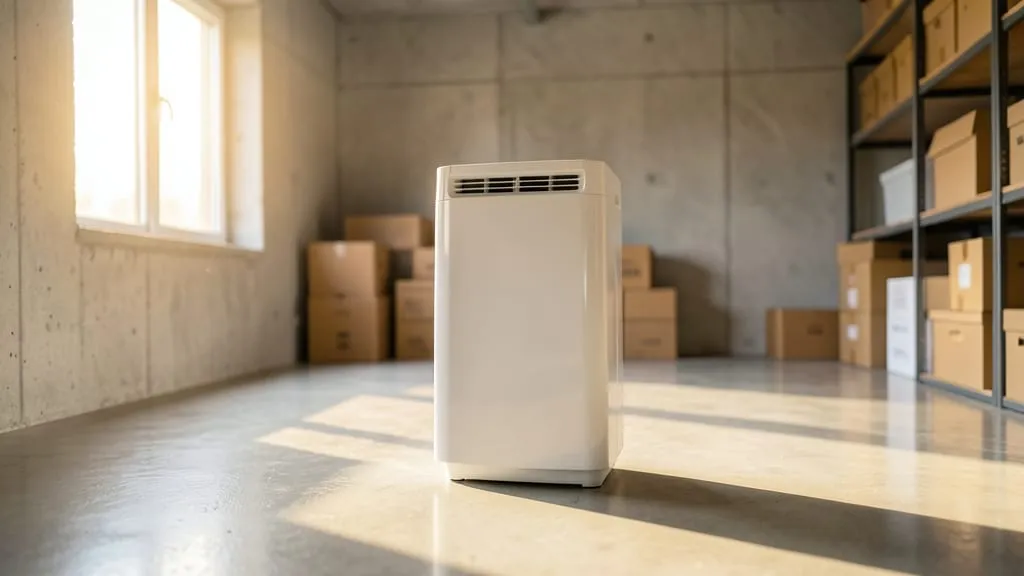
Control humidity with dehumidifiers, especially in basements, crawl spaces, and bathrooms. Aim for indoor humidity below 50%.
Fix leaks promptly—even small drips from pipes or roofs can create ideal conditions for mold. In attics, ensure proper ventilation to prevent condensation buildup.
Use mold-resistant products when renovating. For example, moisture-resistant drywall (like green board) in bathrooms or paperless drywall in basements can help.
Regularly clean and inspect HVAC systems. Mold in ductwork can spread spores throughout your home. Consider professional HVAC mold remediation if you detect musty odors from vents.
Special Cases: Crawl Spaces, Attics, and Commercial Properties
Crawl spaces in Fillmore often suffer from poor airflow and ground moisture. Encapsulation with a vapor barrier and installing a dehumidifier can prevent mildew and mold.
Attic mold is common due to roof leaks or improper ventilation. If you see staining on plywood or insulation, call for an attic mold remediation assessment—this often requires removing affected materials.
Commercial properties, like warehouses in Oxnard or retail spaces in Camarillo, need proactive moisture control. Regular mold inspections and employee training on spotting early signs can save costly remediation later.
How to Clean Mildew from Bathroom Tile Grout
Follow these steps to safely remove mildew from grout without damaging surfaces.
- 1Ventilate the Area
Open windows and turn on the bathroom fan. Put on your N95 respirator, gloves, and goggles.
- 2Pre-Treat the Grout
Spray undiluted white vinegar or hydrogen peroxide onto the mildewed grout. Let it sit for 10–15 minutes to kill spores.
- 3Scrub with a Stiff Brush
Use a grout brush or old toothbrush to scrub the grout lines. For tough stains, sprinkle baking soda first for extra abrasion.
- 4Rinse and Dry
Wipe the area with a damp cloth, then dry thoroughly with a towel. Run the fan for another 30 minutes to ensure the grout is completely dry.
- 5Seal the Grout
Once fully dry, apply a grout sealer to create a protective barrier against future moisture and mildew.
Frequently Asked Questions
Can I use bleach to clean mildew on my Fillmore home’s wooden deck?
No. Bleach can weaken wood fibers and doesn’t penetrate to kill roots of the mildew. Use a deck cleaner with oxygen bleach (sodium percarbonate) instead, or a vinegar solution. Always test a small area first.
How do I know if my mildew problem is actually mold?
If the patch is fuzzy, discolored (black, green, or brown), or has a strong musty odor, it’s likely mold. Mildew is usually flat and gray or white. When in doubt, request a professional mold inspection and air quality testing.
Why does mildew keep coming back in my bathroom?
Recurring mildew usually means excess moisture isn’t being controlled. Check for poor ventilation, leaks, or high humidity. In Fillmore’s humid climate, running a dehumidifier or upgrading your bathroom fan can help.
Is mildew dangerous to my health?
Mildew itself is less harmful than mold but can still trigger allergies, asthma, or respiratory irritation—especially in sensitive individuals. Prolonged exposure or large infestations warrant professional attention.
Can I paint over mildew to hide it?
Never paint over mildew or mold. It will continue to grow underneath, causing paint to peel and potentially spreading spores. Clean and dry the area thoroughly, then apply a mold-resistant primer before painting.
Do you serve areas near Fillmore, like Santa Paula or Piru?
Yes, our mold remediation and inspection services cover Fillmore and surrounding communities, including Santa Paula, Piru, Ventura, Moorpark, and Ojai. Request a quote to address your specific needs.